Ironclad (2011)

04 March 2011

synopsis
expand

Ironclad. Travelling back to the dark, brutal past of 13-century England, Ironclad plunges us headlong into one of the most violent, pivotal moments in English medieval history - when a few good men fought against insurmountable odds to defend their country from a megalomaniac, blood-drunk king. Torn from the pages of history, the devastating battle for the castle of Rochester is a true story of honour, action and excitement. There will be blood.

The year is 1215. King John (Paul Giamatti) has been forced to sign the Magna Carta, a document that will ensure the freedom of men and form the basis of common law in England. Furious at having been forced to sign it, King John raises a vicious mercenary army and begins a rampage across the country to regain total power. But as the King’s army is on the brink of reaching London and taking back control of the country, one last castle stands between him and inevitable victory: Rochester.

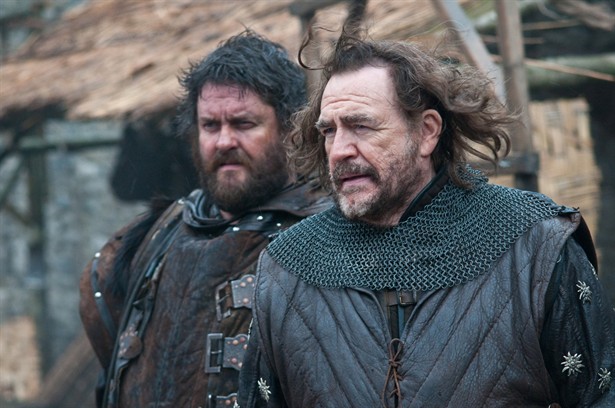
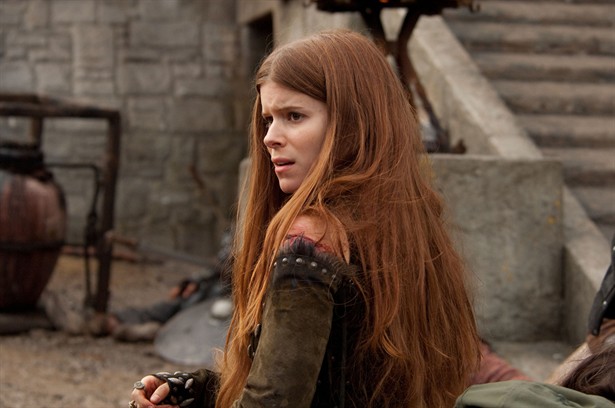
Gathered together by Baron Albany (Brian Cox), a small band of rebel warriors gather inside Rochester intent on holding off King John until reinforcements arrive:  a Templar Knight (James Purefoy) whose soul is wracked with guilt over the atrocities he has committed during the crusades and his burgeoning feelings for Isabel (Kate Mara), the beautiful lady of the castle and lonely wife of the aging Reginald de Cornhill (Derek Jacobi);  battle-hardened mercenaries such as Beckett (Jason Flemyng), who fight not for God and country, but for money and bloodlust; and young soldiers like Guy (Aneurin Barnard), who’ll taste blood and battle for the first time – and perhaps the last.

The film stars Paul Giamatti (Sideways, Shoot ‘Em Up), James Purefoy (Vanity Fair, Rome), Jason Flemyng (Upcoming X Men: First Class, Lock, Stock and Two Smoking Barrels), Brian Cox (The Bourne Identity, Braveheart) Mackenzie Crook (Upcoming Adventures of Tintin, Pirates of the Caribbean), Derek Jacobi (The King’s Speech, Gladiator), Charles Dance (Gosford Park), Kate Mara (127 Hours, Iron Man 2) and introducing Aneurin Barnard.

Ironclad marks the third feature as director of Jonathan English, from a script written by himself, Erick Kastel and Stephen McDool. The producers are Rick Benattar (Shoot ‘Em Up), Andrew Curtis (Lost in La Mancha) and Jonathan English, who have assembled a high-impact team including director of photography David Eggby (Mad Max, Pitch Black), editor Peter Amundson (Hellboy, Gamer), production designer Joseph C Nemec III (Terminator II: Judgement Day, The Hills Have Eyes) and costume designer Beatrix Aruna Pasztor (The Brothers Bloom).

advertisement
expand
photographs
expand
fan ratings
expand

  No-one has rated this movie yet - be the first! You must be logged in to rate a movie.

our review
expand

"One of the most brutally realistic and bloodthirsty depictions of medieval England that I've seen..."


One of the most brutally realistic and bloodthirsty depictions of medieval England that I've seen in a long time, Ironclad is a relentless, in your face historical action adventure that is as merciless with your eyes as King John was with his enemies.

After being forced to sign the Magna Carter to protect Englishmen from his unfair and cruel rule in 1215, King John wages a bloody war to take back his country and wreak revenge on the Baron's that forced his hand. Paul Giamatti is fantastic as the cruel King John, and his evil little face reminded me of a spoilt child throwing his toys out of the pram, or in this instance, daggers.

Standing up against his evil procession of death throughout the land, is Baron Albany (Brian Cox), who plays a fantastically cheerful and optimistic character, almost Friar Tuckish, but with an axe and a lot of balls. Along with his band of ex cons and various hard men they march to Britain’s mighty fort which is Castle Rochester in Kent, praying for the arrival of the French Army to liberate them from King John's revengeful mission while they defend the castle and generally try and stay alive.

Helping the Baron is a disillusioned Templar Knight, Marshall, played by a brooding James Purefoy, who has taken a vow of silence as well as a very obvious vow of chastity as he tries to reject the advances of the Lady of the Castle, Lady Isabel, played by a wonderful Kate Mara, who's English accent and general sense of fearlessness is great to watch.

Unlike most Hollywood interpretations of the English medieval battlefield, Ironclad's cinematography takes us right into the action, with a hand held camera and first person perspective which ramps up the fear level to an excruciating degree. The sets and costumes felt disgustingly authentic, right down to the beautiful heroine's dirty fingernails and hands. You really get the true sense of desperation and poverty that most people lived with in the 13th century, and just how fickle and dangerous the monarchy could be, and how everyone was living under a sword that could fall on you and your family at any time.

Ironclad is a great story about a not very well known piece of history that reminds us just how hard people had to fight for their rights and their freedom. If this film is historically accurate then just how bravely The Baron and his men fought when they were so outnumbered is incredible, and gripping to watch.

My only complaint is that the film is quite slow in parts, and although it should be praised for it's authenticity and darkness, it was quite a dark and dismal film, and is definitely one for the boys, and not one for the faint hearted. However with most of the cast on top form, and some great comic relief throughout, Ironclad is sure to be a hit with fans of this genre.

Ironclad has more gore than is almost necessary, and depicts a very bleak and miserable England, making it clearer than ever why this period in time was called The Dark Ages.

IRONCLAD CHARGES INTO UK CINEMA'S ON THE 4TH OF MARCH 2011

Ironclad film page | Paul Giamatti Image Library | James Purefoy Image Library | Kate Mara Image library


poster
expand
poster
buy poster
film information
expand
video media
expand