
A Cinematographer’s Journey: A Conversation With Francesco Carlucci
In the evolving film industry, cinematographer Francesco Carlucci has made significant strides with his creative and technical expertise, moving seamlessly from the picturesque town of Matera in Italy to the bustling cinematic scenes of London. His journey includes a varied portfolio, from indie projects to major films like “No Time to Die.” We caught up with Francesco to discuss his career, his approach to cinematography, and his future projects.
What sparked your interest in cinematography, and how did you start your career?
I was first drawn to cinematography as a teenager in Matera, Italy, where I began by assisting a family photographer. This initial exposure to the camera and storytelling ignited my passion. I then pursued formal training at Omnijob in Milan and continued the experience for 7 years on BluVideo production in Matera, and then deepening my studies at the New York Film Academy. These experiences were crucial in building a solid foundation in the technical and artistic aspects of cinematography.
After moving to London, you founded waWwa Productions. What motivated you to start your own production company?
Starting waWwa Productions was about creating a space where I could further develop my creative vision and manage projects exactly how I envisioned them. It was also a strategic move to establish myself within the UK film industry and explore various aspects of filmmaking, from directing to producing.
Can you highlight some of the projects that have been particularly significant in your career?
Certainly, one of the standout projects was directing the music video for Ylexo’s “Dream,” which allowed me to experiment with narrative and visual elements in the vibrant setting of London. Another major milestone was working on “No Time to Die,” where I was involved in the production team. These projects not only challenged me but also enriched my skills and understanding of large-scale filmmaking.
How do you think the role of filmmakers has evolved with the advent of digital technology and social media?
Digital technology and social media have dramatically transformed how we create and distribute films. They have democratized the industry, giving filmmakers the ability to showcase their work globally and interact directly with their audience. This shift has opened up new opportunities and also introduced new challenges in how we think about filmmaking and storytelling.
What are you currently working on, and what themes are you eager to explore in your upcoming projects?
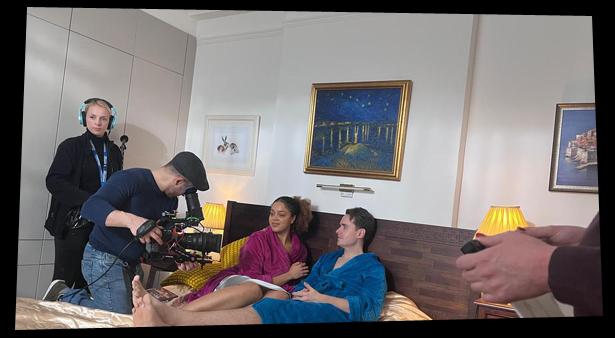
I have currently finished shooting a feature film called “Reparations of Chrystal Rose Productions”, which explores the themes of multicultural identity in English heritage. I have been taking care of the image on set and now in post-production checking the image levels with the colourist. This project is particularly close to my heart as it addresses profound societal issues. Looking ahead, I’m also excited about a collaboration with Palm Tree Productions for a new project in Scotland, aiming to explore different narrative techniques and picturesque landscapes.
If you could offer one piece of advice to aspiring cinematographers, what would it be?
Stay curious and never stop learning. The world of cinematography is constantly evolving, and being adaptable and continuously improving your craft is key. Also, value the power of networking and collaboration, as the relationships you build will support and influence your career trajectory.
Francesco Carlucci’s contributions to film and his unique perspective on cinematography make him a standout figure in the industry. His journey from Matera to London is a testament to the power of passion, perseverance, and the constant pursuit of growth in the competitive world of film.
No Comment