
 |
5.0 out of 5.0 stars
“vibrant, energetic and driven by an infectious score that blends Motown, jazz and folk influences into something that’s genuinely hard to categorise” |
|
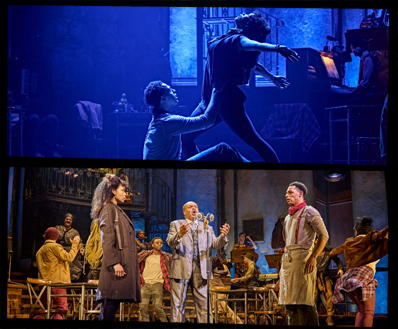
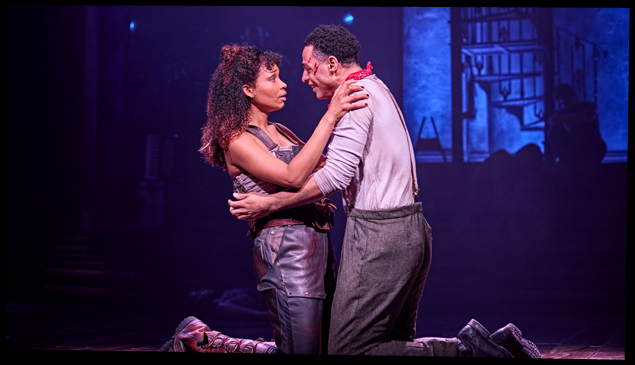
Spoiler alert: I loved it. Hadestown is vibrant, energetic and driven by an infectious score that blends Motown, jazz and folk influences into something that’s genuinely hard to categorise—and that’s exactly where its strength lies. At its core, the show is a Greek tragedy, and that’s something the Greeks have always excelled at: stories of love, fate and inevitability. Going in, I already knew how it ends. That didn’t matter. If anything, it deepened the experience. Part of you still hopes the outcome might change, even though you know it won’t—and that’s what makes you root so hard for Orpheus and Eurydice.
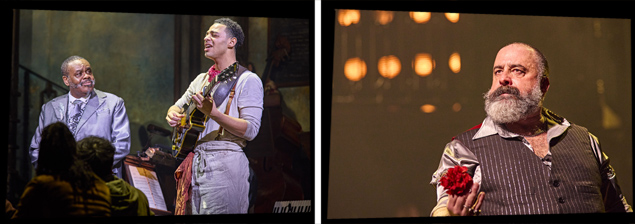
Bethany Antonia (Eurydice) and Marley Fenton (Orpheus) carry that emotional weight beautifully. Their performances are grounded, sincere and ultimately heartbreaking, capturing the essence of two people fighting against forces far greater than themselves. Clive Rowe brings real presence to Hermes. As narrator, there’s always a risk the character becomes a detached observer, but Rowe avoids that entirely. His Hermes is active, involved, and full of personality—right in the heart of the story where he belongs. You don’t sideline someone of his calibre, and thankfully, this production doesn’t. Alastair Parker’s Hades is genuinely menacing. There’s a grounded, almost cinematic edge to his performance—echoes of classic British hard men like Bob Hoskins or Ray Winstone—but he makes the role entirely his own. This is not a Hades you’d want to meet down a dark alley.
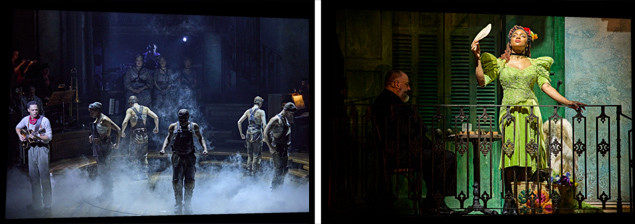
In contrast, Rachel Adedeji’s Persephone brings warmth, heart and emotional balance. Her performance is captivating, and she commands the stage with both confidence and vulnerability. Vocally, she’s exceptional—delivering each number with poise and power.
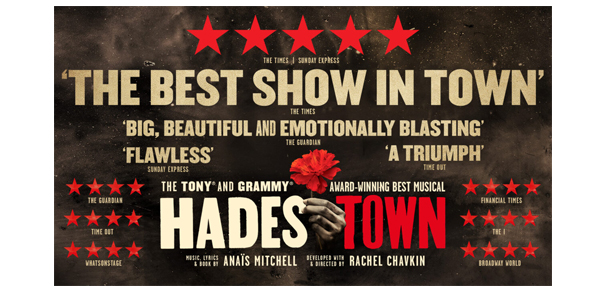
The staging and lighting play a huge role in bringing the world of Hadestown to life. It’s difficult to fully describe just how effective it is, but the way the production uses space makes it feel as though the characters are constantly moving between worlds. One particularly striking touch is the use of large, dangling lights that swing like pendulums, subtly conveying the passage of time while adding to the show’s industrial, otherworldly atmosphere. It’s a simple idea, executed brilliantly—and astonishingly precise. If even one of those movements were off, it would break the illusion completely, but the entire company is so in sync that the effect feels effortless. Led by Anaïs Mitchell’s vision, Hadestown is a triumph of storytelling, pacing and atmosphere. Everything feels intentional—from the music to the staging to the performances—and the fact it resists being boxed into a single genre only adds to its timeless quality.
All in all, Hadestown is an incredible production: bold, unapologetically different, and as close to perfect as theatre gets. Hadestown doesn’t just entertain — it lingers, long after the final note fades. |
|
Official Website | Photos © Brinkhoff-Moegenburg | Written by Marc Jason Ali | 23 March 2026