
48 Selected Films – What’s On At The London Rolling Film Festival XVI Edition: Screenings, Panels, Premieres And More
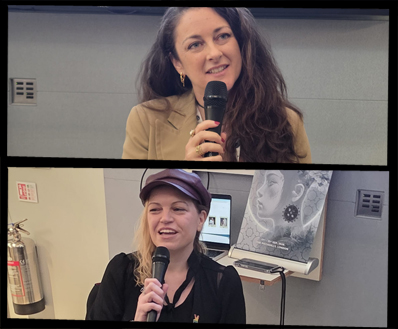
The London Rolling Film Festival 2026 is officially underway, beginning on Thursday 17 September with filmmakers, jurors and industry guests gathering at the Royal Society of Arts ahead of four more days of independent cinema, industry conversations, networking, premieres and awards.
Now in its latest edition, the London Rolling Film Festival has always placed connection at the centre of what it does. During Thursday afternoon’s opening press conference, festival founder Alida Pantone reminded those attending that LRFF began life in a Shoreditch pub as a way of bringing filmmakers together with actors and other people working across the industry.
That philosophy remains fundamental to the festival. Filmmakers were encouraged not simply to promote their own work, but to watch each other’s films, meet new collaborators and leave the festival having made at least one meaningful new connection.
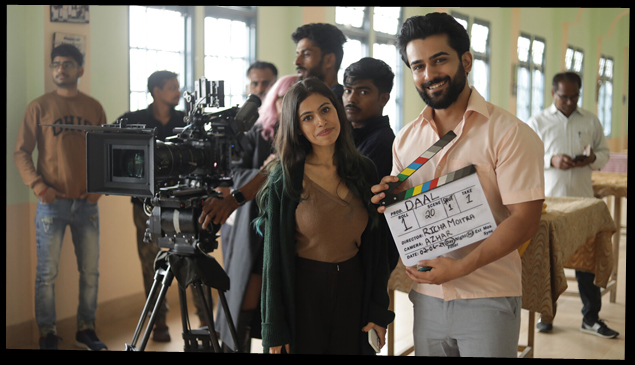
“If you like something, just approach the filmmaker,” Pantone told those assembled, encouraging directors and producers to discover the cinematographers, actors, costume departments and other creatives responsible for the work they see during the festival.
This year’s programme features 48 selected films, ranging from micro-shorts and short films to documentaries and features, alongside the festival’s True Spark selection and Dreamer, screening out of competition. Twenty jury awards will be presented alongside the festival’s audience award.
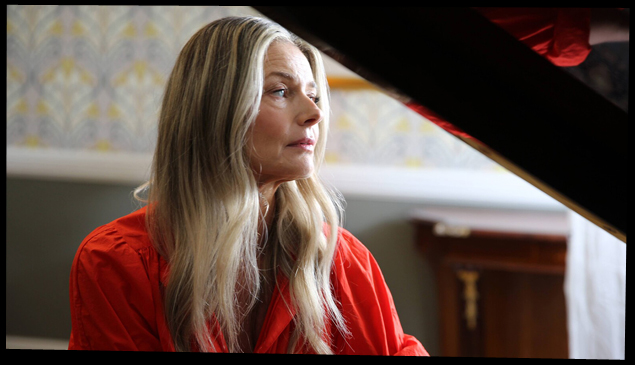
Thursday’s press conference offered an early opportunity to meet many of the filmmakers behind that programme.
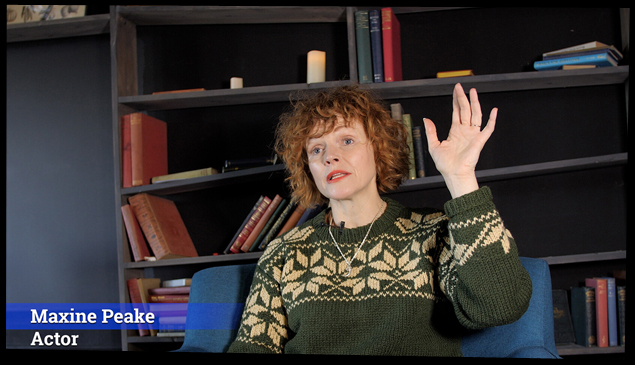
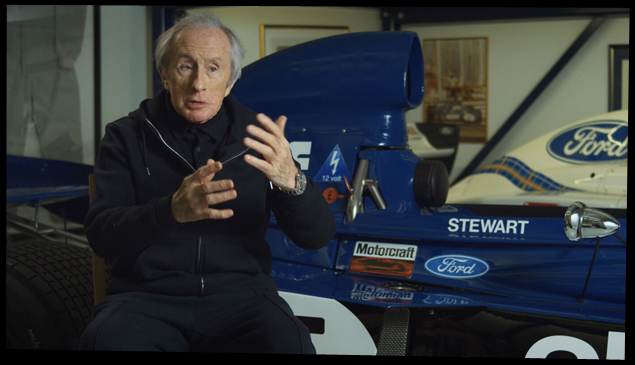
Among those introducing their work were Sam Reynard, whose deeply personal documentary The Engineer follows his 75-year-old father as he attempts another motorcycle land-speed record decades after first breaking one at 19; Jill Campbell, whose Beyond the Gaze: Jule Campbell’s Swimsuit Issue examines the remarkable career of the founding editor of the Sports Illustrated Swimsuit Issue through questions of feminism, agency, body image and the gaze; and Italian filmmakers Alessandro D’Ambrosi and Santa De Santis, whose RIP explores life, death, fear and empathy through an Italian ghost story.
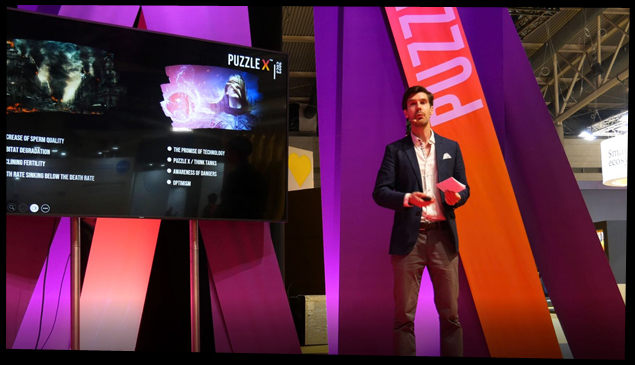
Filmmakers from the two extensive short-film programmes also introduced work spanning comedy, drama, horror, experimental cinema and social issues, while the festival reiterated its commitment to filmmakers being physically present to represent their work and participate in the conversations surrounding it.
AI, INDEPENDENT FILMMAKING AND A LIVELY OPENING-NIGHT DEBATE
Thursday evening moved to The Queens Head Piccadilly, where Palm Tree Films filmmaker Robbie Moffat led an energetic industry discussion about artificial intelligence and its potential role in independent filmmaking.
Moffat, whose Palm Tree Films has helped sponsor this year’s festival and its additional cinema day, approached AI primarily as a production tool capable of giving independent filmmakers access to images, locations and production values that their budgets might previously have made impossible.
Drawing upon more than three decades of filmmaking, Moffat said his company has now made 41 feature films and retains ownership of all of them. He described a production model built around a small permanent team, reinvestment and increasingly bringing development and post-production in-house.
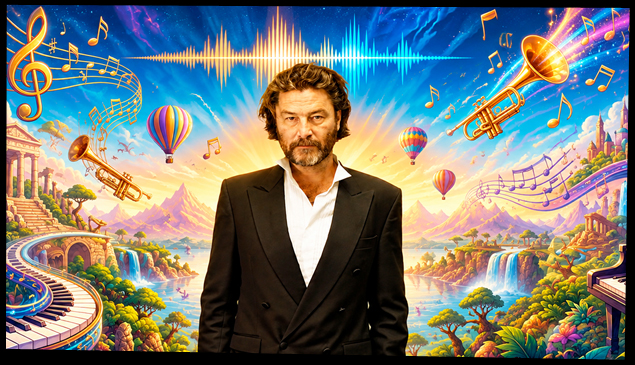
AI, he argued, represents another significant opportunity to stretch those resources.
Locations, crowds, vehicles, historical environments and visual effects can increasingly be created without the travel, permissions and physical infrastructure traditionally associated with them. More importantly for Moffat, the technology can allow a filmmaker's imagination to precede their budget rather than constantly being restricted by it.
Yet the discussion also confronted some of the most contentious questions surrounding AI, including employment, performers' rights, compensation, music and consent.
Moffat stressed that his own productions have not abandoned physical filmmaking. One recent production involved 72 shooting days, he explained, with 53 involving AI and 19 involving live production — still amounting to around four weeks of conventional shooting with live actors.
He also described Palm Tree Films' approach to performers whose likenesses appear within AI-generated material. Actors receive a conventional contract covering their physical work alongside a separate AI agreement, under which they are compensated according to the number of frames in which their image appears.
Perhaps one of the strongest statements of the evening concerned something far less technological: paying people for their work.
When discussion turned to filmmakers using actors without pay, Moffat rejected the idea that this constituted creating employment and argued that performers should be paid. His proposed model is instead to reduce production costs elsewhere, build reserves and use those resources to employ people properly.
It was a spirited discussion rather than an attempt to pretend that every question surrounding AI has already been answered — and the conversation continues on screen on Saturday with Vitali Pikalevsky’s AI-assisted science-fiction short The Black Cube: Hunting, followed by Moffat’s Dreamer, screening out of competition.
With the introductions made and the debate very much underway, the London Rolling Film Festival now heads into its main weekend of screenings.
FRIDAY 18 SEPTEMBER
Friday begins at the Royal Society of Arts from 11:00–13:00 with the sold-out industry panel Women Driving Change in Film & Television, presented in collaboration with Yes She Cannes, featuring Faith Elizabeth, CEO and Founder of Yes She Cannes, and Daphne Schmon, CEO and Founder of Breaking Through The Lens.
The films then begin at Vue.

At 14:00, Shorts Block 1 brings together My Private Yellowstone, Maureen, The Very Last Glimpse of Grace, A Girl Called Alice, The Wolf, Lethni, The Postman, My Hero, Born to Dance, ASKING4IT, We Duel at Dawn!, Haunted, No Swan In Sight and Self+Tape, followed by the filmmakers on stage.
At 16:50, Shorts Block 2 features Plaster, Well-Being, Sold As Seen, Dead Dreams Falling, FutureGaze, Midmorning Dawn, The Audition, Aspettando/Waiting, After A Long Day, Sylvia, Sophie’s Bakes, Making Up, OTP (One-Time Password), Braced for the Truth and Untouched, again followed by the filmmakers on stage.
The Opening Red Carpet begins at 19:00, before LRFF officially opens on screen at 20:00 with Mark Forbes' documentary:
QUIET ON SET: THE CLASS DIVISION IN THE FILM INDUSTRY?
The 66-minute documentary explores class division within the film industry and will be followed by a Q&A with the filmmaker.
SATURDAY 19 SEPTEMBER
Saturday expands the programme across two Vue screens.
VUE SCREEN 1
At 13:00, the True Spark Block presents:
Wild Horses at the Door — Carrie Lederer
Truckload — Aella Jordan-Edge
Final Performance of The Year — Gary Apple
25 Minutes — Tarik Ben Salah
Approval Needed — Karen Anstee (aka Kaz Anstee)
The filmmakers will then take to the stage.

Three documentaries follow:
15:00 — The Bridge, by Jimmy Hedger + filmmaker Q&A
16:40 — Beyond the Gaze: Jule Campbell’s Swimsuit Issue, by Jill Campbell + filmmaker Q&A
18:50 — The Engineer, by Sam Reynard + filmmaker Q&A
At 20:15, Screen 1 concludes with The Man Who Spoke Twice, by Lawton Charman, followed by a filmmaker Q&A.

VUE SCREEN 2
14:00 — The Black Cube: Hunting, by Vitali Pikalevsky
The AI-assisted science-fiction short serves as an introduction to:
14:10 — Dreamer, by Robbie Moffat — screening out of competition + Q&A
Then comes horror:
16:20 — Knock Knock, by Tyler Field — SOLD OUT
16:30 — DAAL, by Richa Moitra — WORLD PREMIERE + Q&A — SOLD OUT
At 18:45, Deborah Hadfield’s Connected receives its WORLD PREMIERE, followed by a Q&A.
The evening concludes at 20:50 with The Dying of The Light, by Ivan Perić and Alvaro Congosto, followed by a Q&A.
SUNDAY 20 SEPTEMBER
Sunday brings three more major screenings to Vue Screen 1 before LRFF turns towards pitching and its 2026 awards.
13:00 — ROOTED OUT – Chapter 2, by Freddie Hutton-Mills — WORLD PREMIERE + Director Q&A
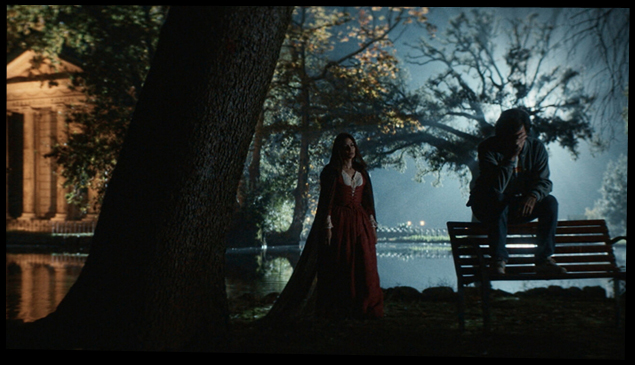
15:00 — RIP, by Alessandro D’Ambrosi and Santa De Santis — UK PREMIERE + Director Q&A
17:10 — Innovation Secrets – Will Innovation Save Us or Kill Us?, by Sindre Kaupang — WORLD PREMIERE + Q&A
At 18:20, attention moves to Pitch Corner, where filmmakers have just 60 seconds to present their projects.
Thursday's press conference revealed that two Pitch Corner positions were still available, with participants facing a countdown during their one-minute opportunity to make their case.
Then at 19:00, the London Rolling Film Festival Award Ceremony begins, followed at 20:30 by the winners' photocall.
MONDAY 21 SEPTEMBER
The 2026 festival concludes its industry programme back at the Royal Society of Arts from 11:00–13:00 with:
REPRESENTATION MATTERS: DISABILITY, CLASS AND QUEERNESS IN FILM
Featuring Helen Oakleigh, the panel brings the festival back to questions raised during its opening press conference about authentic voices, accessibility and ensuring that individual creative perspectives aren't lost as the tools available to filmmakers continue to change.
Oakleigh, herself an actor, writer and director, spoke on Thursday about the importance of storytelling reflecting journeys and experiences that aren't interchangeable — particularly as filmmakers increasingly work alongside AI and other emerging technologies.
After an opening day built around precisely those kinds of conversations, it feels like an appropriate way to bring the London Rolling Film Festival's 2026 industry programme full circle.
The London Rolling Film Festival runs from 17–21 September 2026 in London.
No Comment